
A Hysteroscopy is a procedure that allows the doctor to look inside the womb (uterus). It is performed to assess women with infertility, recurrent miscarriages or abnormal uterine bleeding. A hysteroscopy can be either diagnostic or operative.
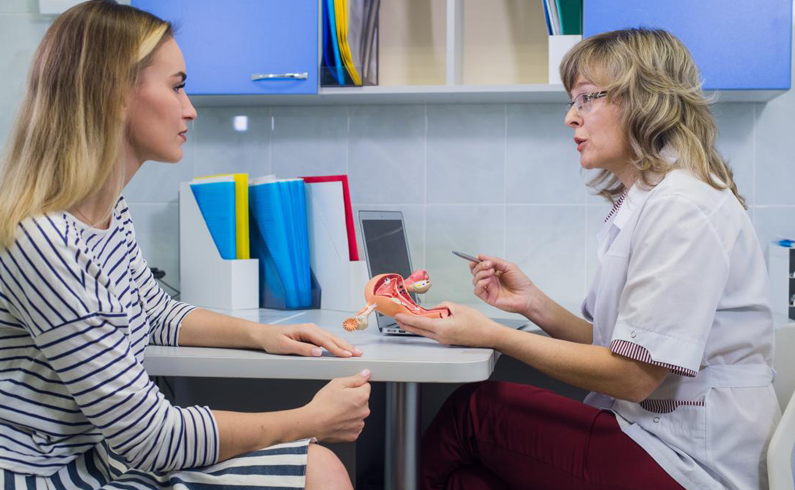
For the procedure, a thin telescope like instrument- which is known as a hysteroscope - is inserted through the vagina and cervix into cavity of the womb (endometrial cavity). Skin incision is not required for a hysteroscopy. After the hysteroscope is inserted through the cervix and into the uterus, sterile saline solution is injected into the uterus, through the hysteroscope. This fluid expands the uterine cavity and enables the physician to directly view the inside structure of the uterus.
A diagnostic hysteroscopy is used to diagnose problems of the uterus, to confirm result of other test, such as hysterosalpingography (HSG) or ultrasound. The procedure allows to see any defects such as fibroid tumors, endometrial polyps, intrauterine scar tissue and bicornuate uterus or septate uterine deformity. A diagnostic hysteroscopy is an outpatient procedure and is often performed soon after menstruation has ended, because the uterine cavity is more easily evaluated.
An operative hysteroscopy is used to correct an abnormal condition that has been detected during a diagnostic hysteroscopy, an operative hysteroscopy can often be performed at the same time, avoiding the need for a second surgery.
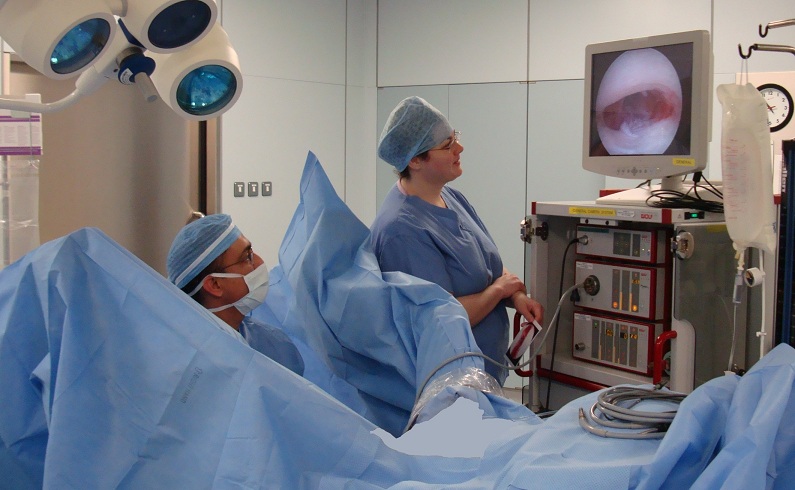
Complications of a hysteroscopy occur in minimal percentage. Perforation (hole) of the uterus is the most common complication. Although perforations usually close naturally, they may cause bleeding or result in damage to nearby organs, which may require further surgery. Serious complications related to the fluids, which is used to distend the uterus, in clued fluid overload, electrolyte imbalance, fluid in the lung; blood clotting problems, however, are very uncommon.
If regional or general anesthesia is used during the procedure, the patient might have to be observed for several hours before being discharged. After the procedure, there might be slight vaginal bleeding and/or some cramping for one to two days. In case any of the following symptoms like fever, heavy vaginal bleeding or discharge and/or severe abdominal pain occur, the doctor has to be consulted.
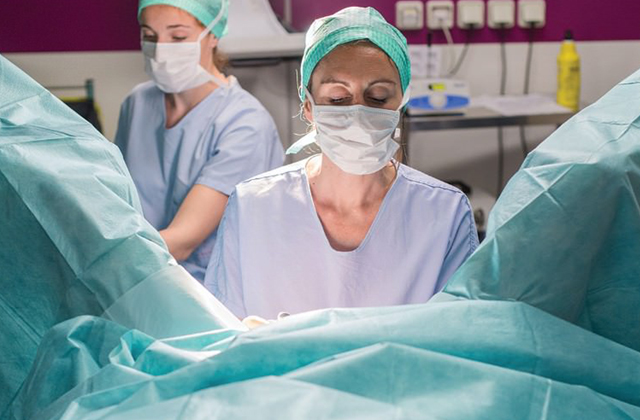
The role of hysteroscopy in infertility investigations is to identify possible intrauterine changes that could that could interfere with implantation and/or embryo growth. Also, it will evaluate the benefit of different treatment modalities in restoring a normal endometrial environment.
One of the basic steps of an infertility workup is to evaluate the shape and regularity of the uterine cavity. The basic workup is done by a vaginal ultrasound. Acquired uterine lesions, such as uterine fibroids, endometrial polyps and/or intrauterine adhesions may cause infertility by interfering with proper embryo implantation and growth. Part of those abnormalities can already be seen during the ultrasound examination, but others, e.g. like adhesions inside the uterine cavity or scarring, won’t be seen.
A hysteroscopy has been proven to be the define method for evaluation of the uterine cavity and diagnosis of associated abnormalities. It allows complete, accurate identification of intrauterine abnormalities that might negatively affect endometrial receptivity and implantation.
Therefore, in patients who have had others test done, and have received normal test-results, the IVF doctor might still recommend an additional hysteroscopy during IVF treatment.
Pre-implantation Genetic Screening (PSG) is a test which Is done to screen for abnormalities in the number of chromosomes in the embryos, obtained by in-vitro Fertilization (IVF) or Intra-Cytoplasmatic-sperm-injection (ICSI) prior to the transfer of the embryos into uterus.
Normally an embryo has 46 chromosomes, 22 in pairs and in addition the sex chromosomes, XX in female and XY in male. An embryo that does not have the correct number of chromosome is called an euploid. Changes in the numbers of the chromosome can lead to no pregnancy at all, miscarriages still birth or disabled children.
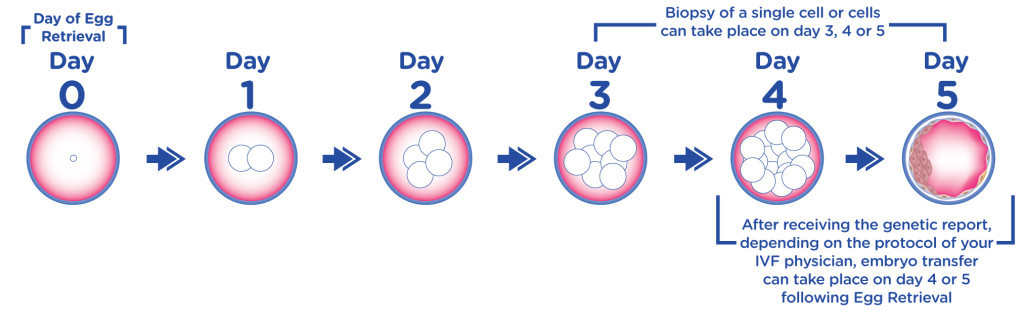
The test has to be done on the calls from the embryo; therefore the biopsy procedure always involves two steps: The opening of the outer shell of the embryo (called zona pellucid) using laser, and the removal of the cell(S). The biopsy will be done on either day 3 or day 5.
If the embryo is handled correctly by a skillful embryologist, the embryo develops normally after embryo biopsy. Published studies demonstrate that there is no increased rate of birth defects in IVF babies that are born after biopsy, compared to IVF babies that are born without embryo biopsy.
Chromosomally normal embryos are the most likely to develop, and to be born as a healthy baby. Unfortunately, the majority of abnormal embryos are indistinguishable from normal embryos when studied using a microscope. Therefore, normal embryo appearance cannot be used to evaluate chromosomal abnormalities is significantly higher than for younger women.
No genetic test can detect all potential genetic abnormalities. PGS testing can only assess numerical changes in chromosome number and other imbalances in genetic material including deletions (part of a chromosome is missing) and duplications (part of the chromosome is double).
Male factor can play a crucial role in infertility problems for couples, especially when extremely few sperms (oligospermia) or no sperm (azoospermia) is found in the sample which was given by the husband. In those cases, the husband has to undergo a procedure, where sperm will be collected out of his testes.

Depending on the preceding investigation and findings, there are different techniques which could be applied.
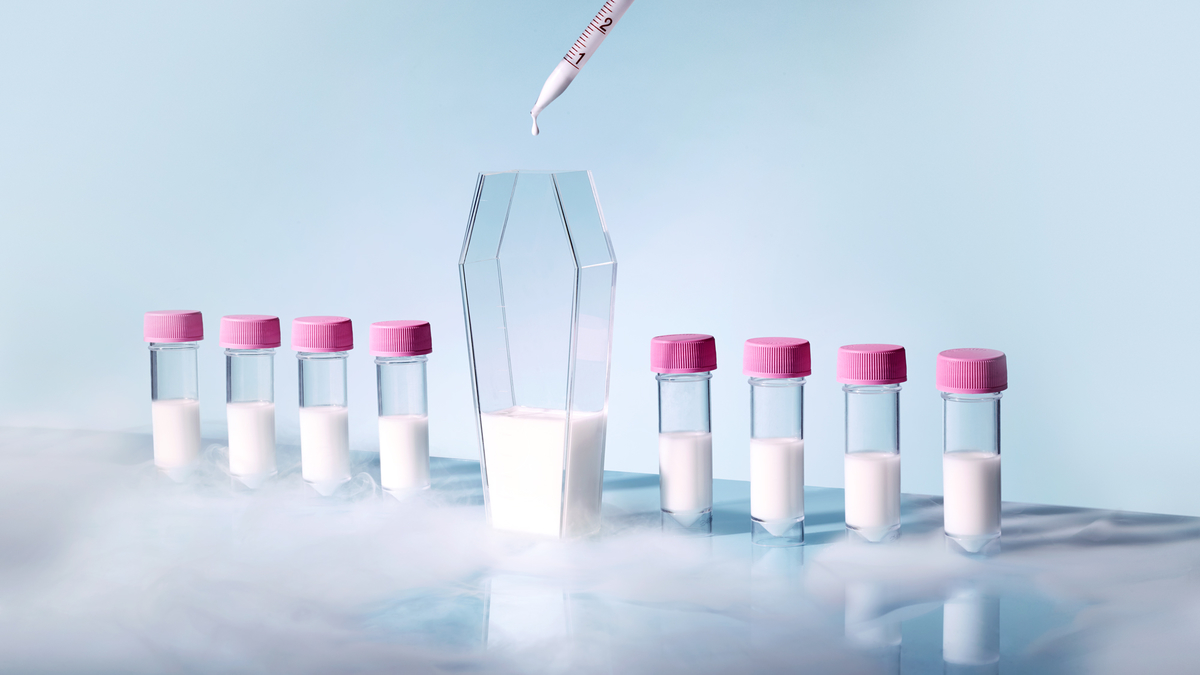
After the sample is taken by the surgeon, it will be transferred immediately to the laboratory where the sperm is extracted. In those cases where the wife has undergone hormonal stimulation and egg retrieval,the sperm will be used immediately for the treatment of the eggs; otherwise the sample will be frozen for future use.
As in any surgical procedures, there is risk like bleeding, infection or damage of blood vessels or nerves. Those risks are small.
If regional or general anesthesia is used during the procedure, the patient might have to be observed for several hours before being discharged. After the procedure, there might be some slight pain in the testes, slight swelling or bruising of the skin. A doctor has to be consulted, in case any of the following symptoms occur: Fever, bleeding out of the incision, or sever pain.
IVF/ICSI treatment is the most successful treatment to overcome infertility. The term In-Vitrov Fertilization is derived from the Latin word, meaning “in-glass”, which refers to the fact that the fertilization process is done in a test tube in the embryology lab, outside the human body.
This technique was introduced in the late 70’s. Louise Brown was the first baby born using this technique in 1978. In the case of Louise Brown, IVF was done because the tubes of her mother were blocked.

Depending on the reason of infertility and the semen quality, the technique of IVF or ICSI is used to treat the eggs and achieve Fertilization.
For the IVF treatment, egg cells and a certain amount of good motile sperms will be mixed in a dish and kept in an incubator. Fertilization has to occur naturally, which means that the sperms have to get inside the egg by themselves.
ICSI treatment is used in the case of male infertility due to impaired semen quality. In this technique, a normal motile and shaped sperm is selected and brought inside the oocyte via micromanipulation technique.

Ovarian Stimulation: A single oocyte is produced by the ovaries every month in the natural menstrual cycle. In an IVF cycle the aim is to obtain more ooytes, and thus to be able to create more embryos by the administration of hormones to stimulate oocyte production by the ovaries.
Follicular puncture ( oocyte pick-up or egg retrieval) The process of the follicle size will be mentioned regularly to be able to decide the best time for the triggering of ovulation by the application of a hormonal injection. The oocyte pick-up (Follicular Puncture) will be scheduled 35-36 hours after the injection.
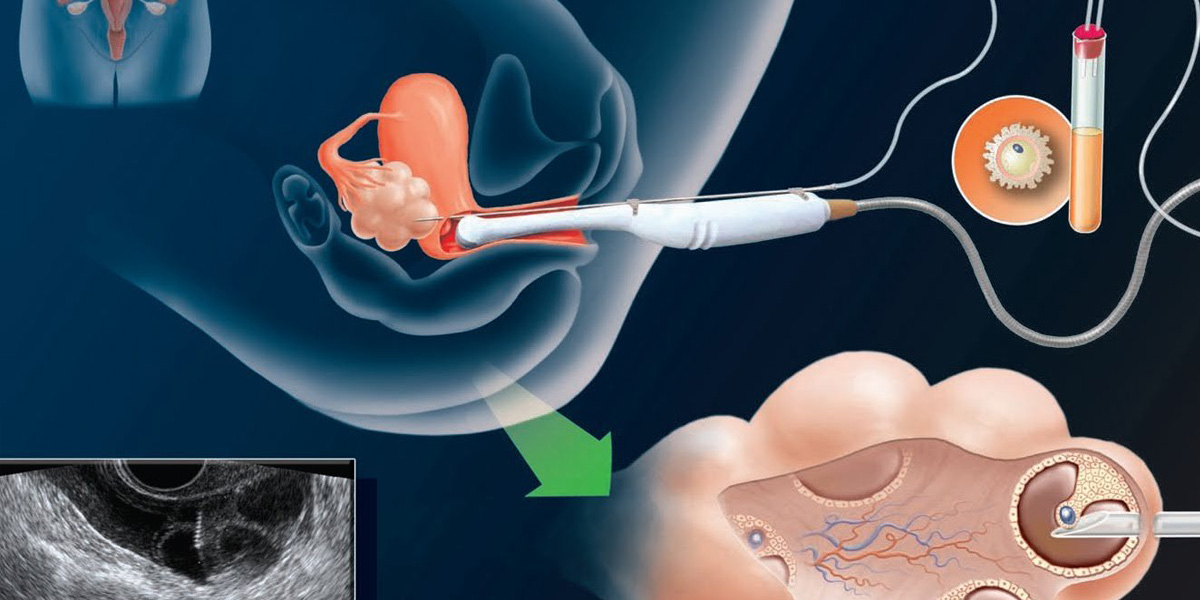
This procedure is done using fine ultrasound- guided needle, under local anesthesia or in some cases under general anesthesia.
The same day of OOCYTE pickup procedure, the husband has to give the semen sample, which is prepared and used for fertilizing the oocyte either by introducing the sperm to oocyte in culture media dishes (IVF) or by injecting each oocyte with a single sperm under microscope (ICSI). In both ways the oocytes will be cultured overnight in incubators with controlled parameters of temperature and gas concentration to hopefully achieve good quality embryos.
The embryos are evaluated every day to monitor how they develop. To determine the best day for transfer, several factors have to be considered. Depending on the history, from the development of the embryos and also whether any genetic test will be done on the embryo(s) to assure that the patient gets the best chance of pregnancy.
In this procedure the embryo(s) is/are transferred under ultrasound guidance into the uterus using thin catheter. It’s a simple and painless procedure and sedation anesthesia is not needed.
Approximately 14 days after an embryo transfer a blood test should be done to detect pregnancy.
What causes the pain associated with IVF? With this understanding of the IVF steps, you can see that the process involves insertion of tools into the female’s body. The most painful part of the entire process is injecting with the medication
The other procedures such as egg retrieval and embryo transfer are done under general anesthesia or mild sedation.
During the egg retrieval process, small hollow needles are inserted into the uterus and ovaries. You may feel mild period-like pain after the procedure but will last a day or two.
The embryo transfer process has no pain at all.
You and your doctor will decide the number of embryos to be implanted into your uterus. If a single embryo is transferred, then it would be impossible to have a multiple pregnancy. However, given the uncertainty of the embryo successfully implanting into the lining of the uterus, many women choose to transfer multiple embryos into the womb; especially those women who may be unable to afford additional IVF cycles.
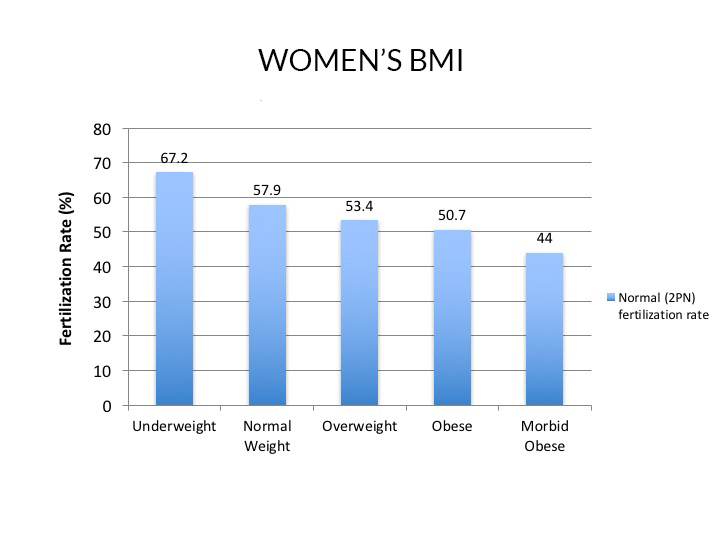
According to numerous studies that control for other factors, it does appear that weight plays a role in female fertility. More specifically, the greater a woman’s body-mass index (BMI) is, the less likely she is to have a successful IVF experience.
BMI is determined by taking someone’s height (in meters) and dividing it by their weight (in kilograms, squared). A BMI between 19 and 25 is generally in the “healthy” range, while a BMI of 28 is considered overweight and 31+ is considered obese.
One study showed that women with a healthy BMI had a 38 percent live-birth rate via IVF, whereas the live-birth rate was 35 percent in overweight women and 27.7 percent in obese women. The rate of embryo implantation had a similar discrepancy, with 40 percent success in the “healthy” group vs. 31 percent in the “obese” group.
Lifestyle choices can potentially reduce human fertility, according to the studies. Advancing age, unhealthy body weight, alcohol, smoking, caffeine, drug use, excessive exercise and certain occupations as lifestyle factors can all contribute to infertility.
The most common reason for an embryo not implanting is chromosomal problems within the embryo, according to Roger Hart, Professor of Reproductive Medicine, UWA and Fertility Specialists medical director.Chromosomal problems within the egg increase as women age. About one third of fertilised eggs in a woman aged 30 will have abnormal chromosomes, compared to 90 per cent in women 41 plus. It is possible to test embryos for chromosomal abnormalities by a process of pre-implantation genetic screening and implant only those that are normal.
There were minor risks associated with collecting eggs related to infection, bleeding and discomfort.Ovarian hyperstimulation syndrome can occur after using some of the hormonal treatments required for IVF. This could leave a woman feeling uncomfortable and bloated. There is no cure but the condition is self-limiting and the symptoms improve with time.IVF pregnancies are also considered higher risk, with a greater chance of ectopic pregnancy, gestational diabetes, blood pressure problems and premature delivery."
Flying in pregnancy (and following an ET) is generally considered to be safe.
There is no evidence that the change in air pressure or decrease in humidity will have any harmful effect on you or your baby.
At the moment, the maximum time that embryos/ sperm can be frozen in cryostorage is 5 years.
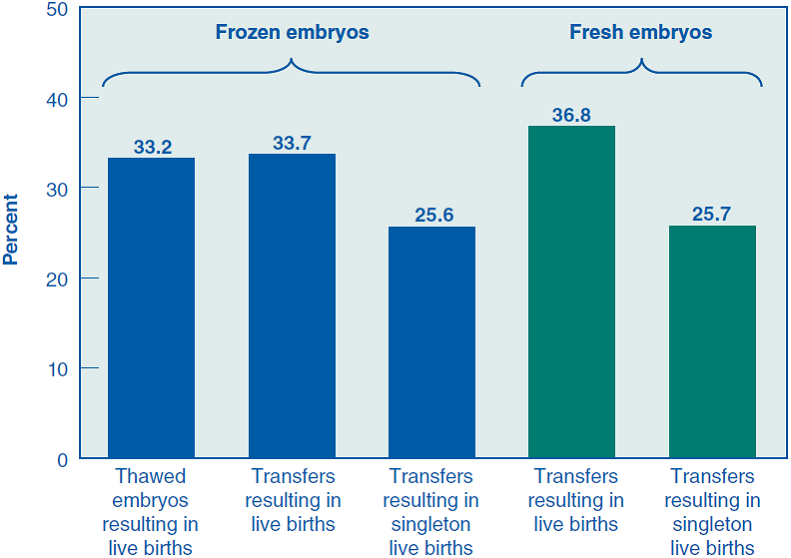
Sometimes, we may have some high-quality embryos left after IVF cycles. These embryos will be frozen to give the couple the option of using them in the future. Therefore embryo freezing may be a good advantage for patients. When thawed, 70% to 80% of these embryos are still viable and each transfer has a success expectancy of 50% to 80%.
Sperm cryopreservation is a safe and standardized process. Since sperm was first frozen and used to create a pregnancy in 1953, cryopreservation techniques have steadily improved. Not all sperm will survive the freezing and thawing process.
At this point in time, it appears that couples who use ICSI for their IVF cycles can opt to use fresh or frozen sperm and expect the same fertilization and pregnancy success rates.
Normally, patients are asked to wait for one or two full menstrual cycles before resuming another IVF cycle. Certain additional tests may be needed that could delay subsequent IVF cycles.